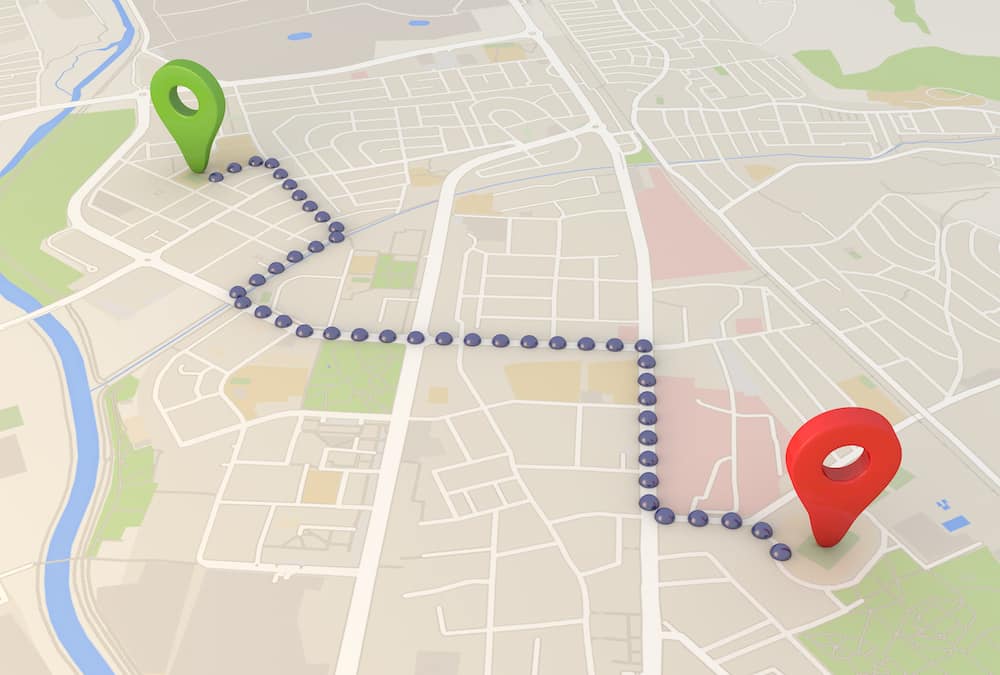
Why the Shortest Route Is Not Always the Cheapest
Dispatchers are often asked to cut kilometres, yet fuel is only one part of a delivery day's cost. A route that saves three kilometres but adds forty minutes of parking searches is hardly an improvement. Route optimization software should be judged against the problems the operation really faces: missed time windows, overtime, expensive redeliveries and uneven driver workloads. Distance matters. It just needs company.
One useful comparison is to run the same order set through two planning rules. In the first, prioritize travel distance. In the second, protect promised appointment times and allow a slightly longer route. Then examine the outcome. Were time-critical customers served? Did the driver spend the whole afternoon rushing? Did the last stop leave the vehicle an hour away from home base? A distance-only result may look elegant on screen while causing a difficult shift.
Consider the handling time as well. A stop involving a freight elevator can take twenty minutes even when the driving leg takes two. Drivers may wait to enter a hospital, office tower or distribution centre. Treat that waiting as part of the task instead of calling it an unexplained delay. Where data is thin, start with a reasonable estimate and revise it from actual records. Do not assign a fake level of precision to an unfamiliar route.
The most useful performance review is a short discussion between dispatch and the driver: which assumptions were wrong, which delays were repeatable, and which changes would remove friction tomorrow? Software can expose patterns quickly; the people doing the deliveries explain why those patterns exist.
For example, compare two plans on the same delivery day. One might save twelve kilometres but create an extra failed stop because a business closes at four. Record parking, unloading and retry time alongside distance. That gives the dispatcher a cost comparison grounded in the actual run. Compare the extra cost of a missed delivery with the fuel saved on a shorter path. A second attempt takes another vehicle visit and another piece of customer communication, which belongs in the same cost calculation.
Use one consistent comparison period when reviewing the alternative routes. Record the same categories for both plans: driving, parking, handling, waiting, and repeat visits. Explain unusual events beside the figures. A plan that appears cheaper on one quiet day should be checked again against a representative mix of deliveries before it becomes the usual schedule.